High-quality natural acacia gum for the food and cosmetics industries
A miracle product from nature, acacia gum is an age-old product, used for the benefits of humanity since millenia, and today found in thousands of day-to-day products.
We all consume it every day, unawares.
In soft drinks or in a glass of wine, in a cereal bar or a candy, in our toothpaste or mascara.… From food to cosmetics, from medicines to diet products, acacia gum crops up everywhere.
We all consume it every day, unawares.
In soft drinks or in a glass of wine, in a cereal bar or a candy, in our toothpaste or mascara.… From food to cosmetics, from medicines to diet products, acacia gum crops up everywhere.

Unleashing acacia gum’s full potential
Its name vaguely refers to confectionery but not many know the true nature of acacia gum. 100% vegetable, natural and environmentally friendly, acacia gum’s outstanding functional properties have made it a star ingredient in the food industry, as well as cosmetic, pharmaceutical and technical sectors.
Acacia gum aligns with evolving consumer expectations: 100% plant-based, GMO free, pesticide free, gluten free, odourless, colourless and very low in calories.
Harvesting in the Sahel
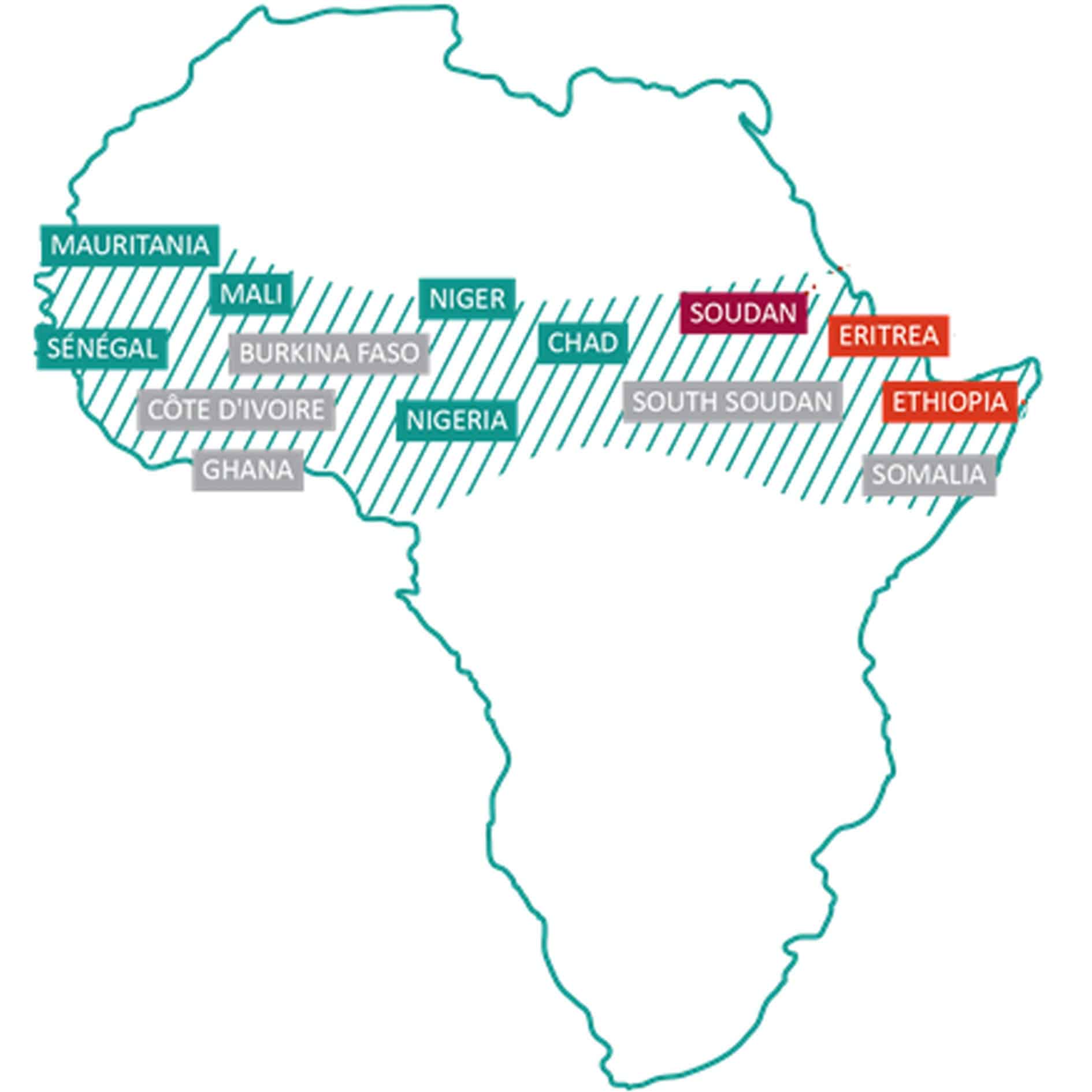
Acacia gum is harvested from Senegal to Eritrea across an area known as “the gum belt”. At Alland & Robert, we mainly work with producers in Senegal, Chad and Sudan.
Acacia trees are very well adapted to the dry, semi-arid climate of this Sub-Saharan region. They help prevent desertification, nourish and fertilise soil and stabilise rainfall cycles.
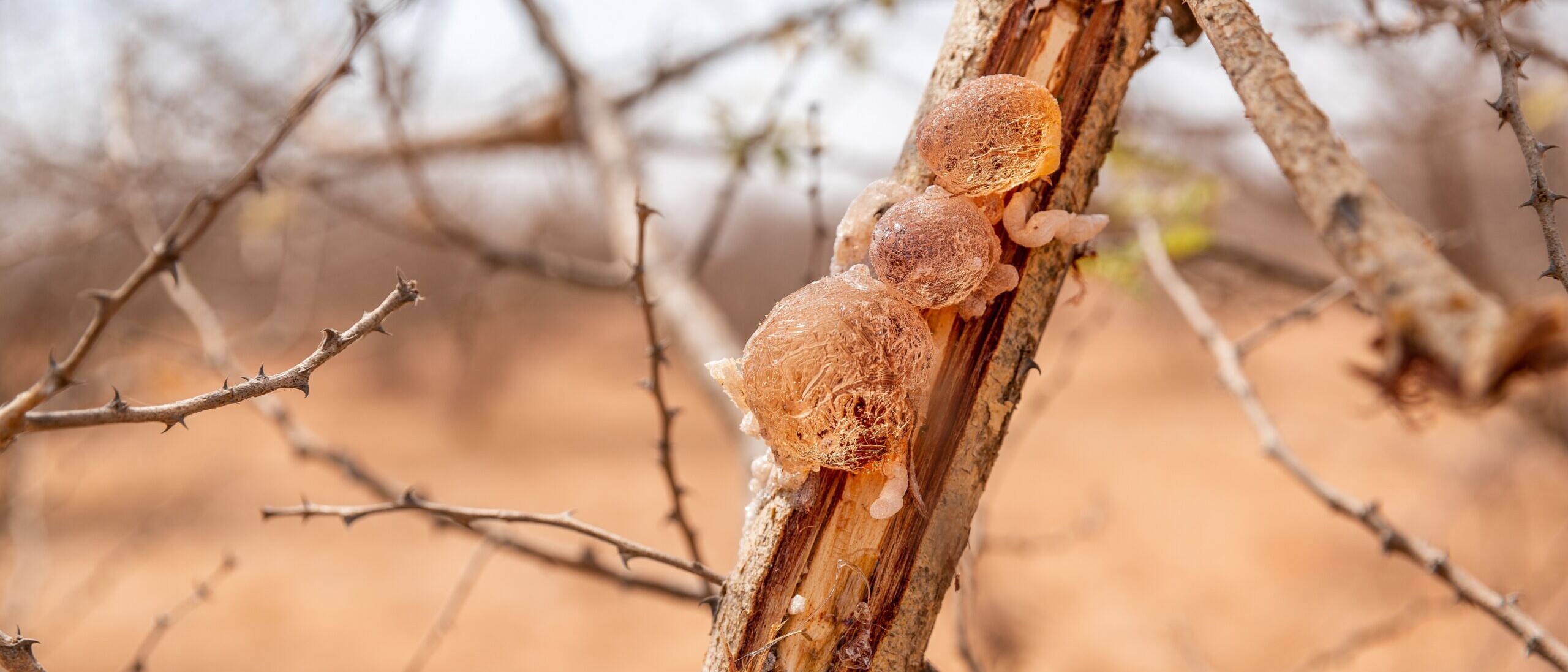
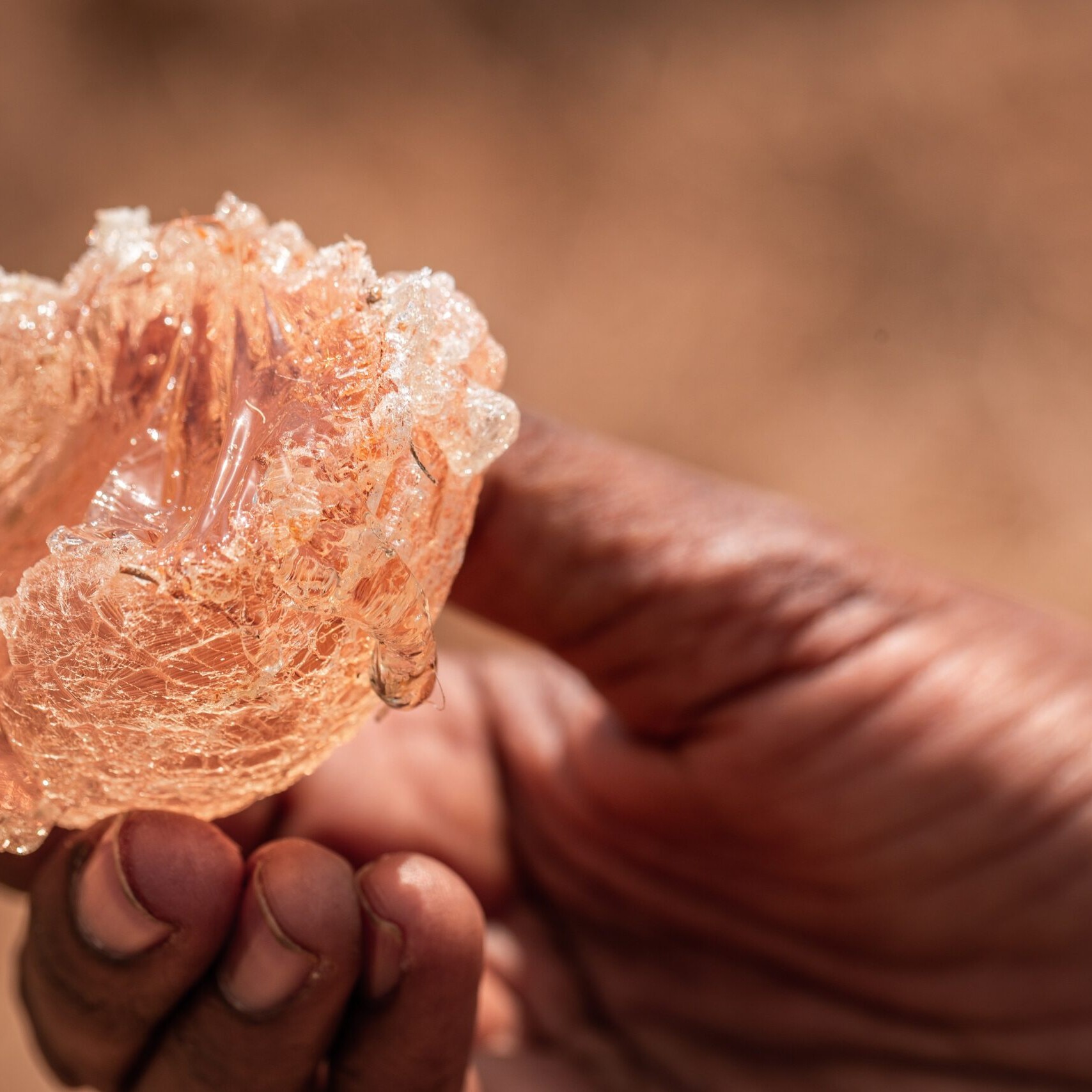
Acacia gum is harvested from January to April. The first stage, known as tapping, consists of making an incision on the trunk and branches. This does not damage the tree and triggers a natural gum exudation mechanism to cover the incision. The gum dries in contact with air and gradually forms a nodule. A few weeks later, harvesters cut and collect the nodules, which are dried, sorted and stored before being sent to our manufacturing sites.
Amazing tree exudate
Acacia gum is an exudate of the acacia tree. It’s neither sap nor resin. It is either naturally exudated by the tree or following an incision done in the branches of the tree by harvesters. From a chemical point of view, acacia gum is a complex polysaccharide*.
Acacia gum used by the food industry only comes from 2 varieties of acacia: acacia senegal and acacia seyal.
* Carbohydrate made up of a large number of monosaccharides, simple sugars made up of a single chain of carbon atoms. ex: glucose, fructose, etc
FAQ about acacia gum
Acacia seyal gum limits crystallisation and strengthens coatings thanks to its longer structure, which makes it a natural choice for confectionery and boiled sweets. Acacia senegal gum stabilises complex emulsions through its electrostatic and steric properties, which is an asset for flavourings and beverages.
- Senegal: emulsions for beverages and flavourings, including citrus, paprika or beta-carotene
- Seyal: coatings and encapsulation in confectionery products
- Spray-dried, instant soluble, organic and Fair Trade versions available
Both varieties of gum are recognised as sources of prebiotic soluble fibre.
Acacia gum is a prebiotic soluble fibre that improves digestive transit, feeds the gut microbiome and helps to regulate blood sugar and cholesterol after meals.
- Recognised as a source of dietary fibre in Europe and by the FDA since September 2021
- Up to 90% water-soluble dietary fibre (WSDF); helps to maintain regular cholesterol levels and healthy weight
- Low FODMAP content, suitable for irritable bowel syndrome
- Oenology: stabilises wine in the bottle, softens astringency
- Oral health: anti-plaque action; traditionally used to soothe eye inflammation
Between 1 and 6% of the total recipe weight, when used as a fibre supplement or for thickening. Acacia gum is also the main ingredient in certain confectionery products, such as pastilles.
- Emulsions for beverages: enables a higher proportion of the aqueous phase, as the gum supports emulsion
- Flavour encapsulation: principle matrix for spray drying
- Its low viscosity enables these doses without thickening, unlike xanthan gum
Alland & Robert Services provides guidance for dosage calibration based on the production matrix and procedure being used.
Acacia gum is naturally organic: it is harvested from wild trees that grow in nature, without the use of pesticides, in the Sahel region of Africa. It does not contain any GMOs or allergens, is gluten-free and suitable for vegan, keto and low-FODMAP diets.
- Several grades are certified organic, CE compliant and NOP, as well as Fair Trade
- Non-GMO Project-certified and compliant with EU regulations 1829/2003 and 1830/2003
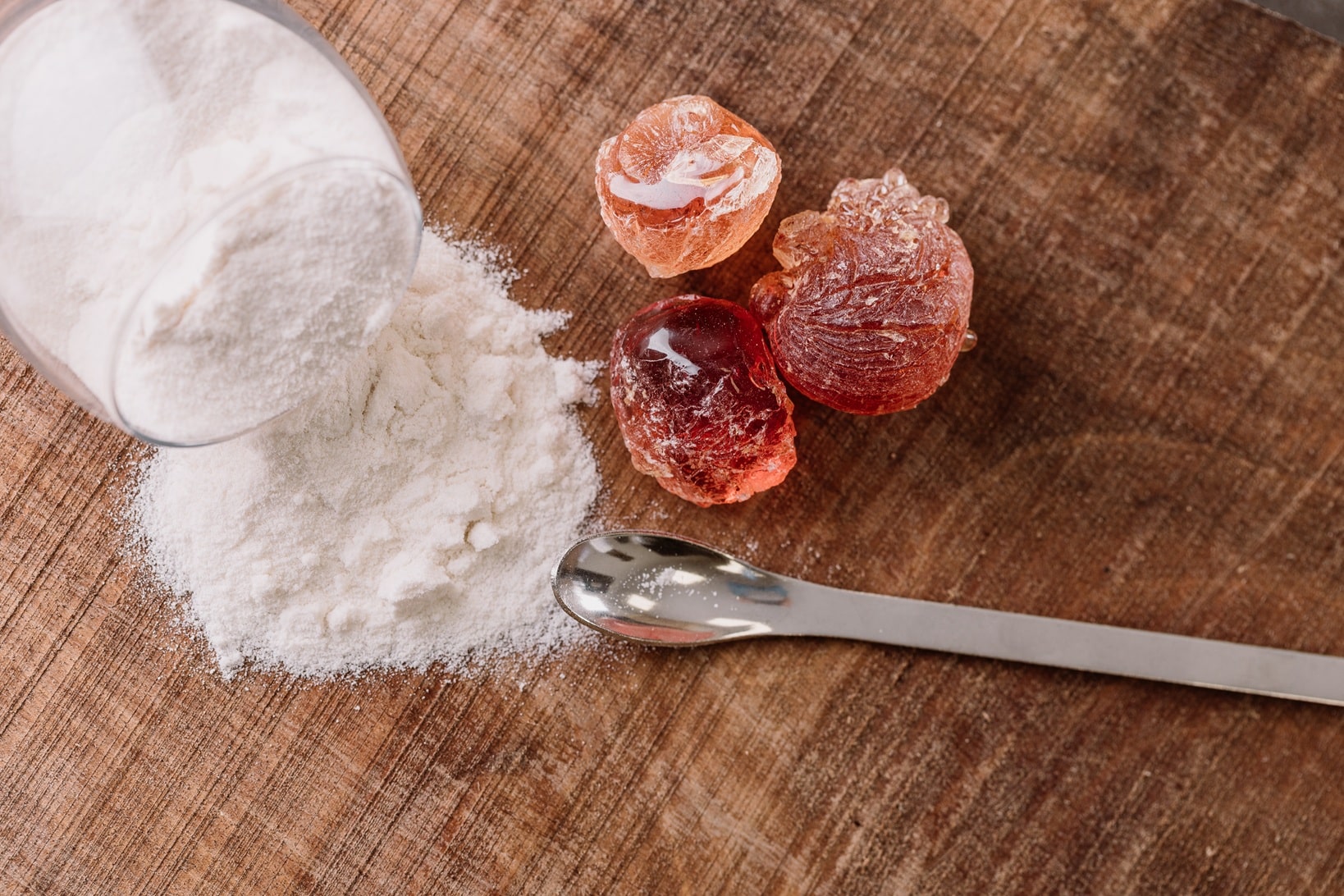
- No chemical modification: dissolution, filtration, pasteurisation and spray drying only
Yes. Acacia gum is listed as E414 with the status “generally recognised as safe” (GRAS). The EFSA, FDA and JECFA do not set any limits for its acceptable daily intake.
- EFSA re-evaluation 2017: no negative health effects
- EC Regulation 1333/2008: quantum satis status in most food categories
- Codex Alimentarius: INS 414
Further details on food science and regulations.
Alland & Robert is a pioneer in acacia gum with over 140 years of experience, and a secure supply chain from the Sahel to Normandy, along with R&D support for customised solutions.
- Expertise from harvest to quality control, production, R&D and technical assistance
- Beyond Acacia®, launched in 2024: high-density granules, improved solubility, reduced carbon footprint
- Three spray drying (atomisation) towers (2002, 2007, 2013)
- Certifications: BRC AA, ISO 9001, Bio, NOP, Fair for Life
More about our products

The saga of acacia gum
From ancient usages in Ancient Egypt to today’s use in sodas, its story is remarkable.
Acacia gum in Africa
Acacia gum has an important social, environmental and economic role in Africa.