
Our supply chain: fair trade and traceable acacia gum
Developing partnerships with suppliers for high standards and shared sustainable growth

Sourcing responsibly natural gums requires mulitfaceted expertise, from tree to soil, to production and sales.
Every day, we work to build and strengthen lasting partnerships with local suppliers.
Committed to being a trustworthy partner for our stakeholders, we have developed solid partnerships with an extensive network of suppliers.
We strive to operate to high social, societal and environmental standards. As a crucial part of our value chain, our suppliers commit to these same standards – set out in Alland & Robert’s supplier code of conduct.
Keen to foster strong, equitable and collaborative relationships, we never ask our suppliers to do more than we are willing to do ourselves.
Our responsible practices are aligned with the company’s sustainable procurement policy and Fair-Trade charter.
Together, we contribute to a more ethical supply chain, sustainable practices and a greener future.


Gum harvesting
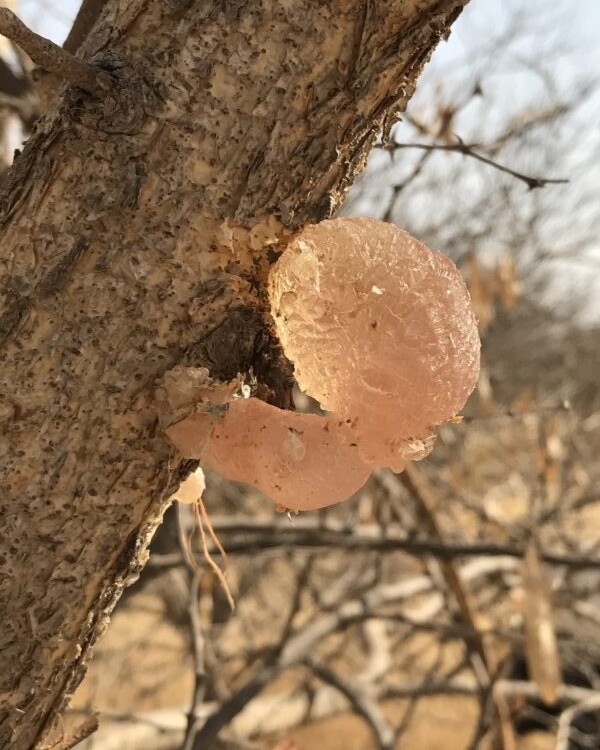
Harvesting acacia gum is a natural process that doesn’t harm the trees. Depending on climatic conditions, the harvest takes place in several stages between January and April every year.
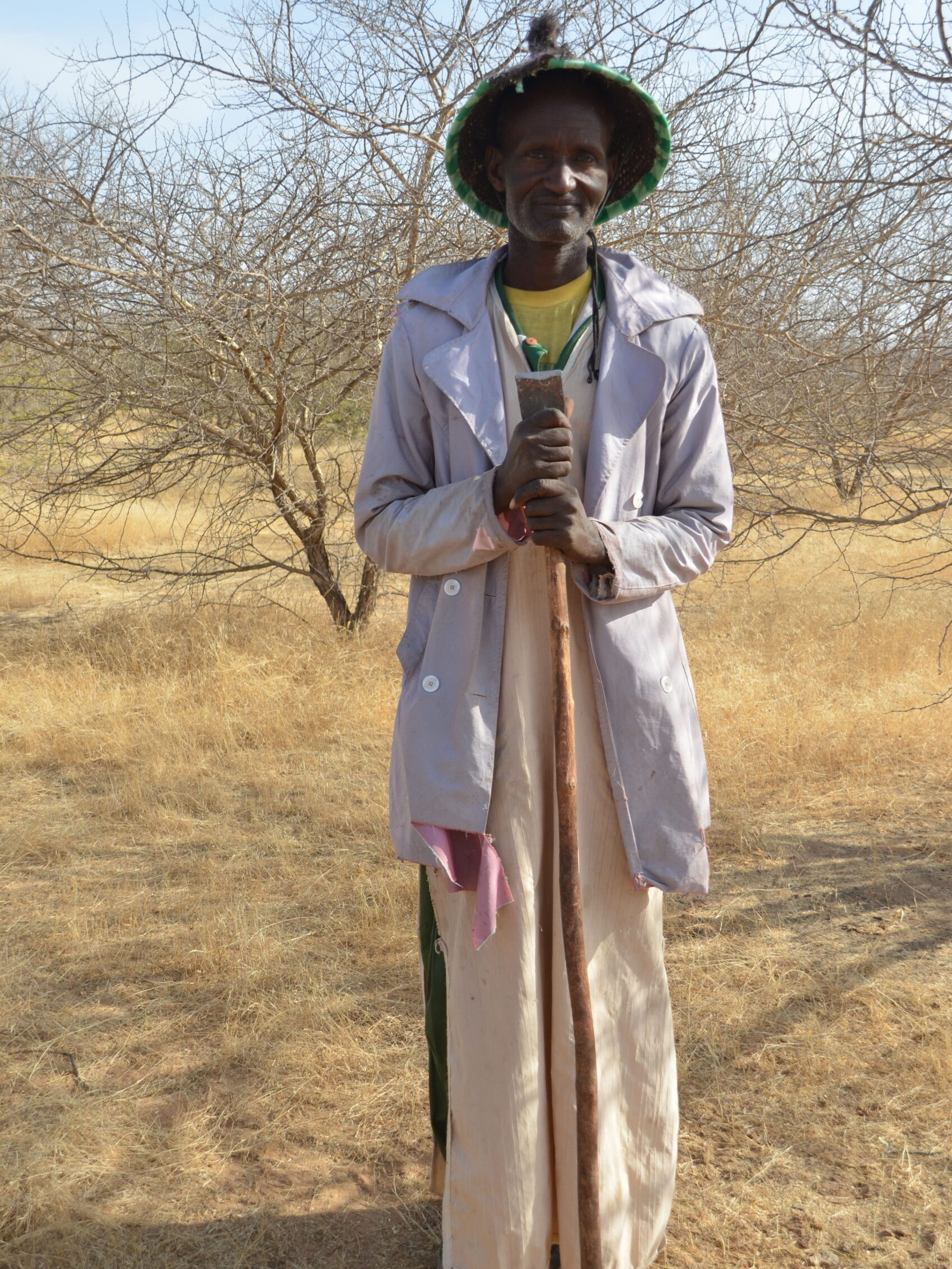
- An incision is made on the tree in a process known as “tapping”. This doesn’t cause any damage, rather induces the acacia to exudate gum to cover the incision – a completely natural mechanism. The exudated gum starts to dry on contact with the air and progressively becomes a nodule.
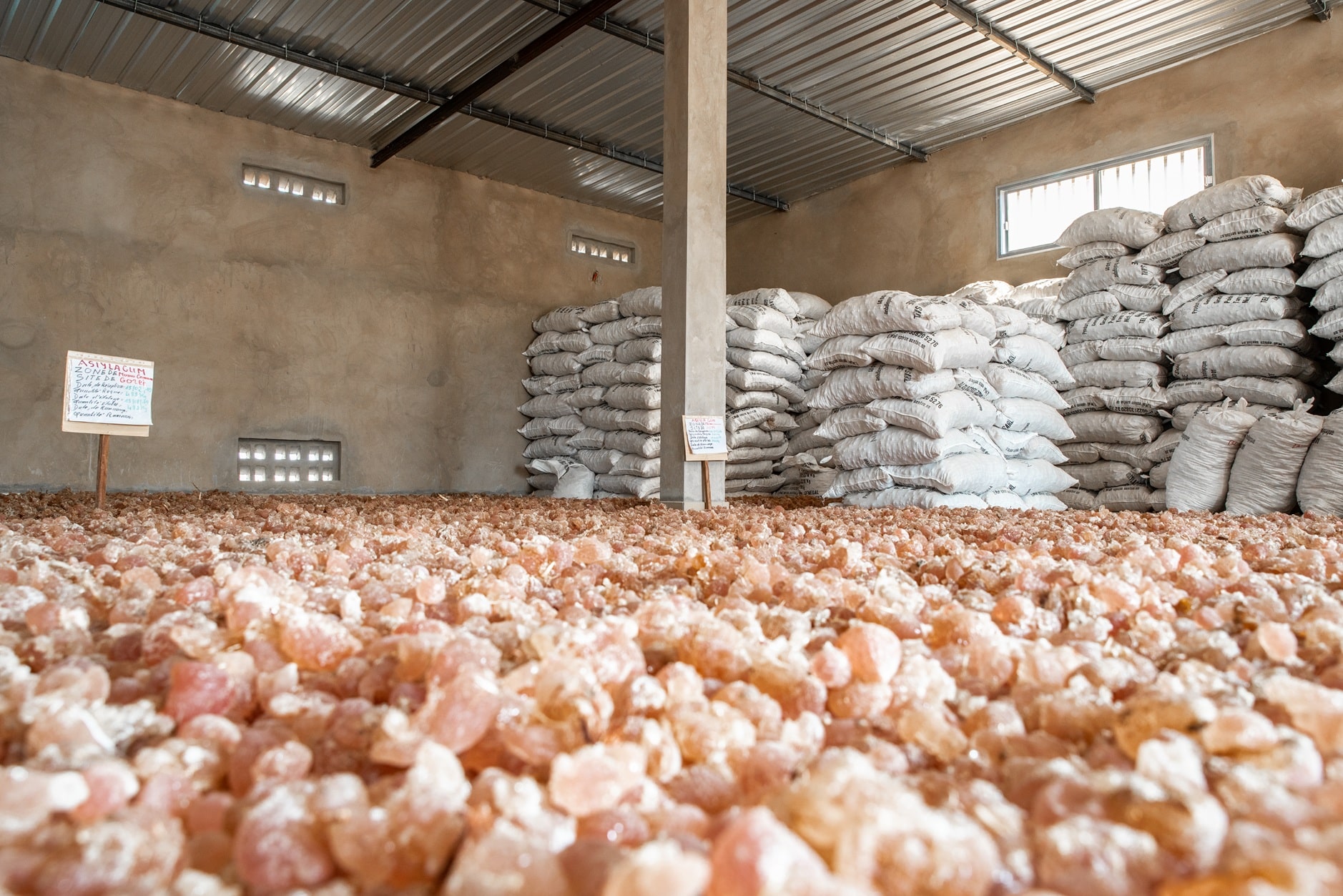
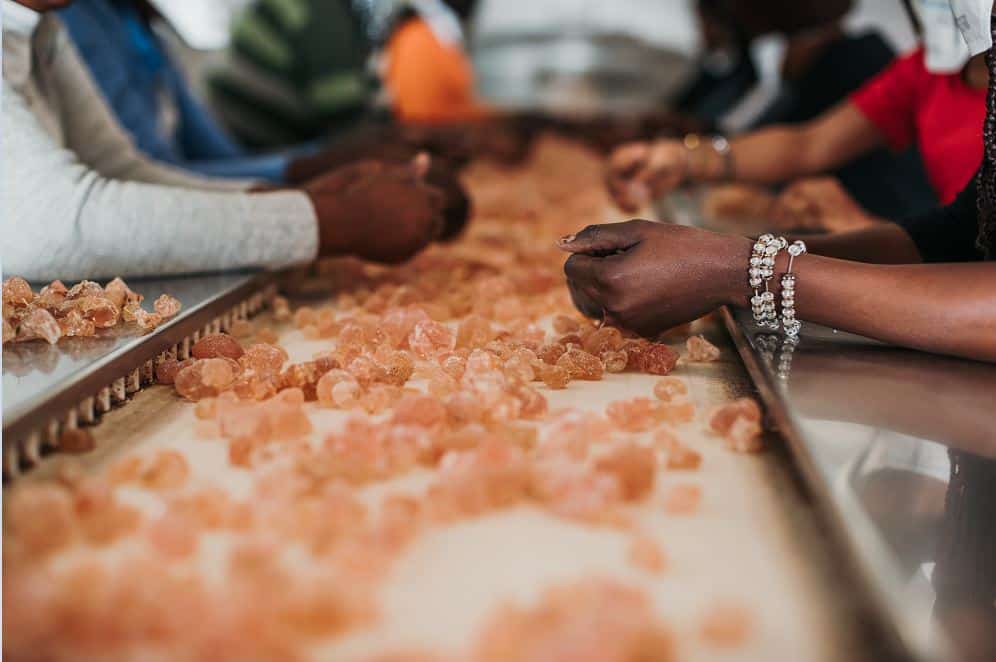
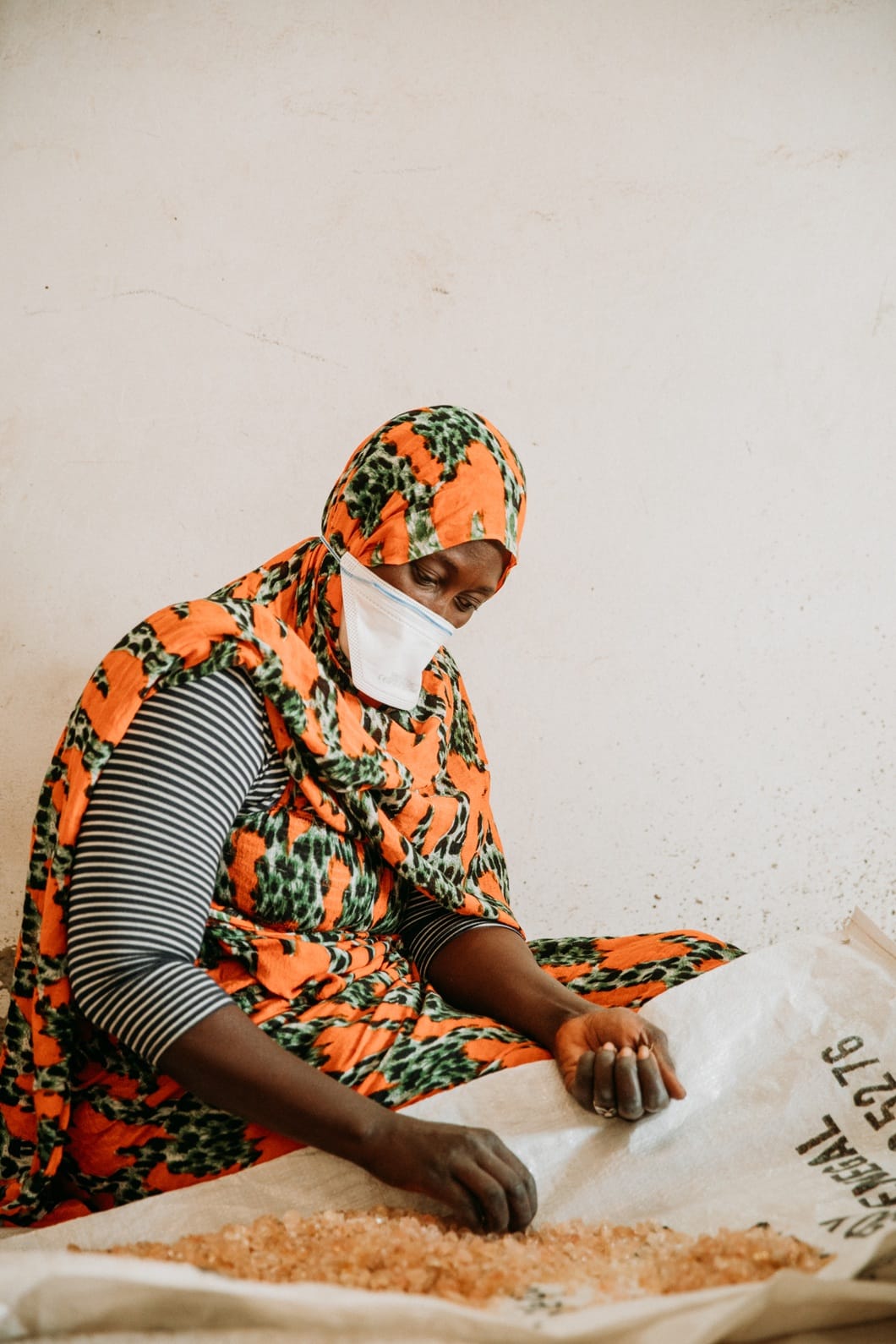
- Several weeks after tapping, harvesters cut the nodule from the tree. The nodules are dried, sorted and stored, before being sent to our manufacturing sites.
- Harvesting techniques are traditional practices that farmers have been developed over time. No chemicals are involved, and harvesting is done by hand.
Knowledge of natural exudates
At Alland & Robert, we’ve been acquiring knowledge of natural exudates since 1884 and have contributed to numerous studies published in botanical and scientific reviews. With strong ties to local communities, we aim to share and improve knowledge of trees and plant exudates.
La gomme naturelle est une ressource précieuse pour les populations du Sahel et représente une part importante du revenu annuel des agriculteurs. Récoltée sur des arbres sauvages, elle est vendue sur les marchés locaux, ce qui permet de réinvestir directement les bénéfices dans l’économie locale. De plus, contrairement à de nombreuses autres cultures récoltées en automne, la récolte de la gomme d’acacia est une activité hors saison. Cela permet aux récolteurs de répartir leurs revenus tout au long de l’année. La gomme d’acacia constitue depuis longtemps un complément de revenu pour les populations locales, qui pratiquent généralement d’autres activités comme l’agriculture ou l’élevage.
De nombreuses études ont démontré que les acacias ont un impact positif sur l’environnement. Ces arbres constituent une barrière contre la désertification tout en nourrissant le sol, le rendant plus fertile, en favorisant les cultures intercalaires et en stabilisant les cycles pluviométriques. De plus, les acacias fournissent du fourrage et de l’ombre au bétail ainsi que des abris aux oiseaux, tout en favorisant la biodiversité.