

Dairy products & alternatives
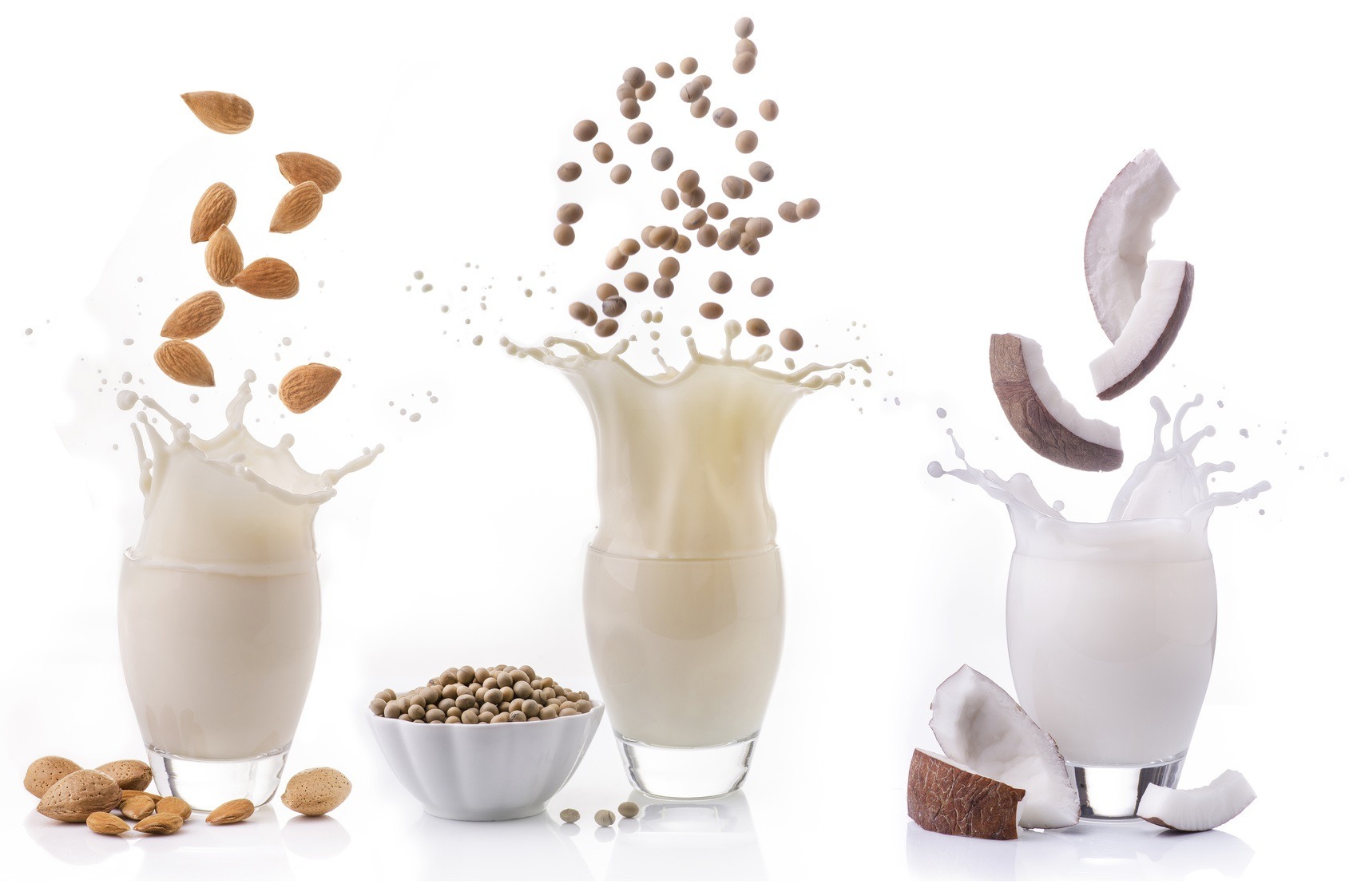
As more people follow special diets, such as vegan, lactose-free or FODMAP-friendly, demand for dairy-free beverages continues to grow.
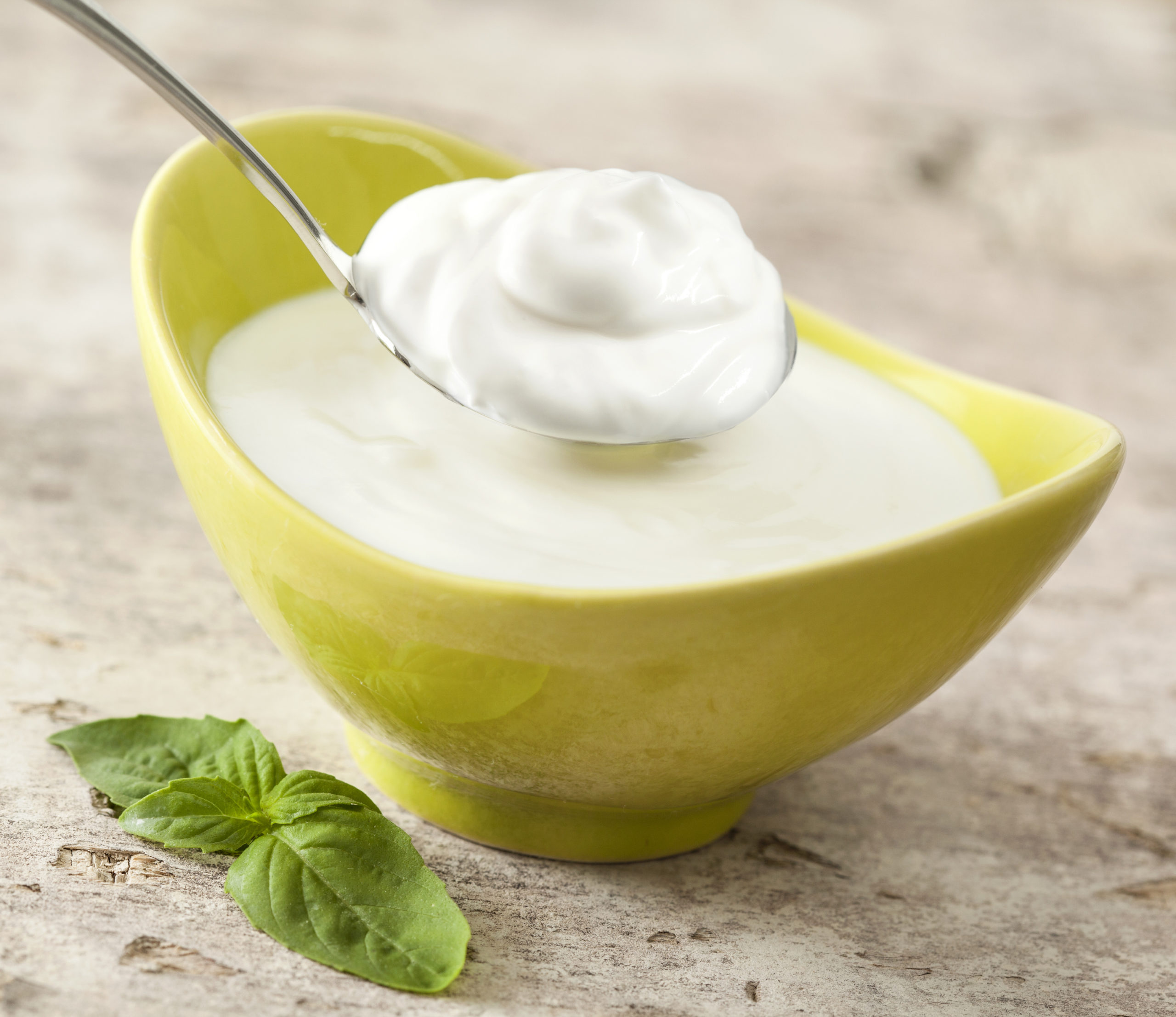
Acacia gum is a great option for the formulation of dairy alternatives. It can be added to plant-based milks (and other alternatives to dairy) as an emulsifier or mouthfeel enhancer.
Acacia gum is resistant to acidity and its PH is compatible with milk proteins. When combined with other stabilizers, acacia gum can enhance overall product stability and shelf life
In dairy products and ice cream, it can be used to replace fat, as a stabiliser or thickener and to improve texture, making products more palatable.
Natural source of fiber increasing the benefits of dietary and dairy products.
Acacia gum is a staple in the food industry for fibre enrichment and as a safe, natural stabiliser. It has scientifically proven prebiotic benefits and is easy to digest without generating any intestinal discomfort. Its pH is compatible with milk proteins.
What’s more, acacia gum brings fibre to different food products, helping balance their nutritional profile.
Acacia characteristics
- Resists acidity and heat, meaning it can be used to formulate products exposed to extreme conditions during production
- Has no side effects, a neutral taste and very low viscosity
- Doesn’t contain many calories
- Positive effect on rheological properties like extensibility
Excellent digestive tolerance
Acacia fibre provides scientifically proven prebiotic benefits:
- No intestinal discomfort, flatulence or abdominal cramps
- Very slow fermentation: only very slight evolution of acacia fibre content during the whole shelf-life of dairy products containing live lactic bacteria – compared to yoghurts formulated with inulin, FOS or GOS whose fibre content can rapidly decrease during storage
- Minimal digestion in the small intestine combined with a slow fermentation in the colon



We have developed a specific range of acacia fibre that guarantees at least 90% fibre content (international AOAC 985-29 method).
Get our brochure on Acacia Fibre directly in your inbox!
Just complete the form.


Snacking products
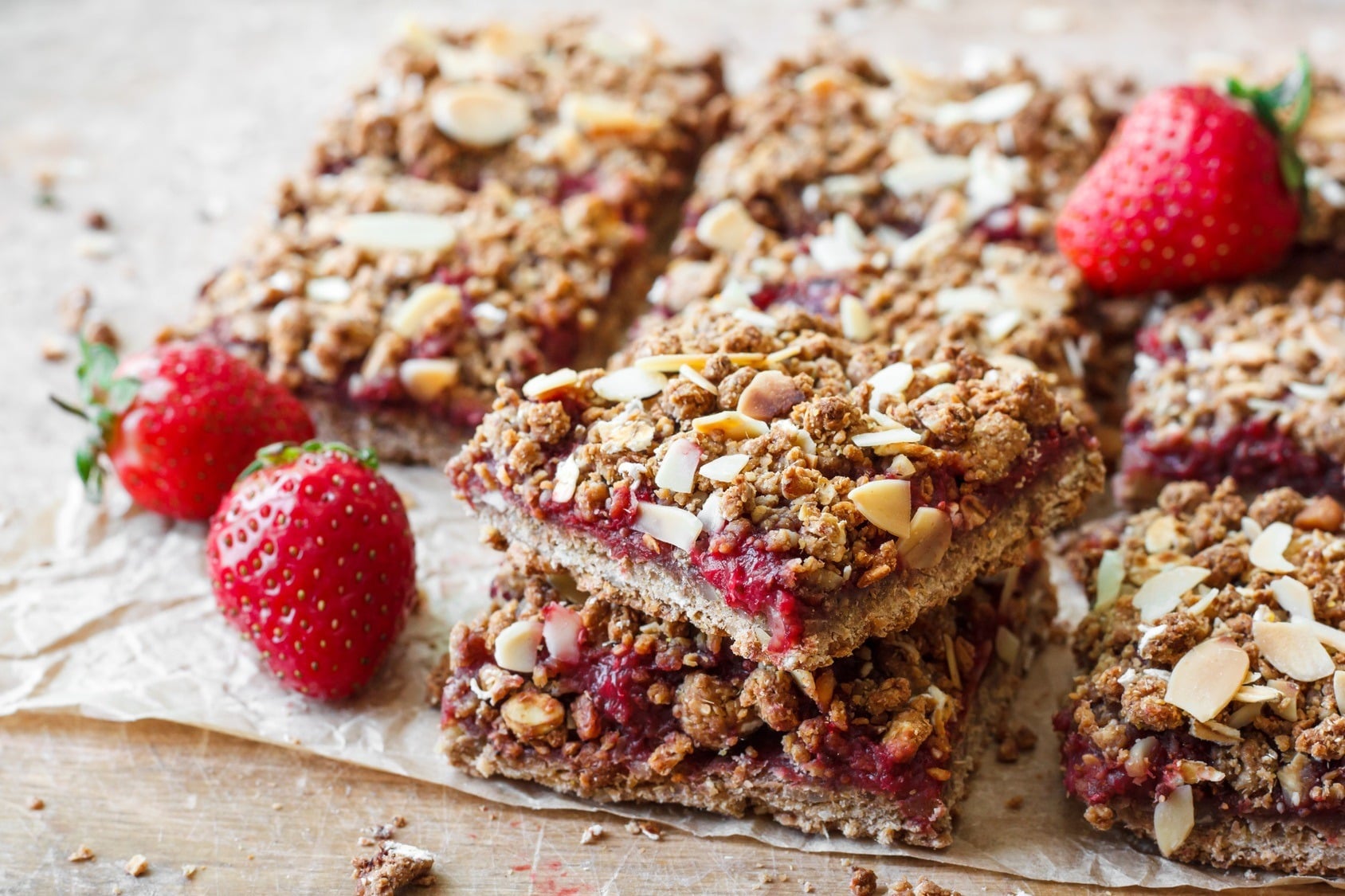
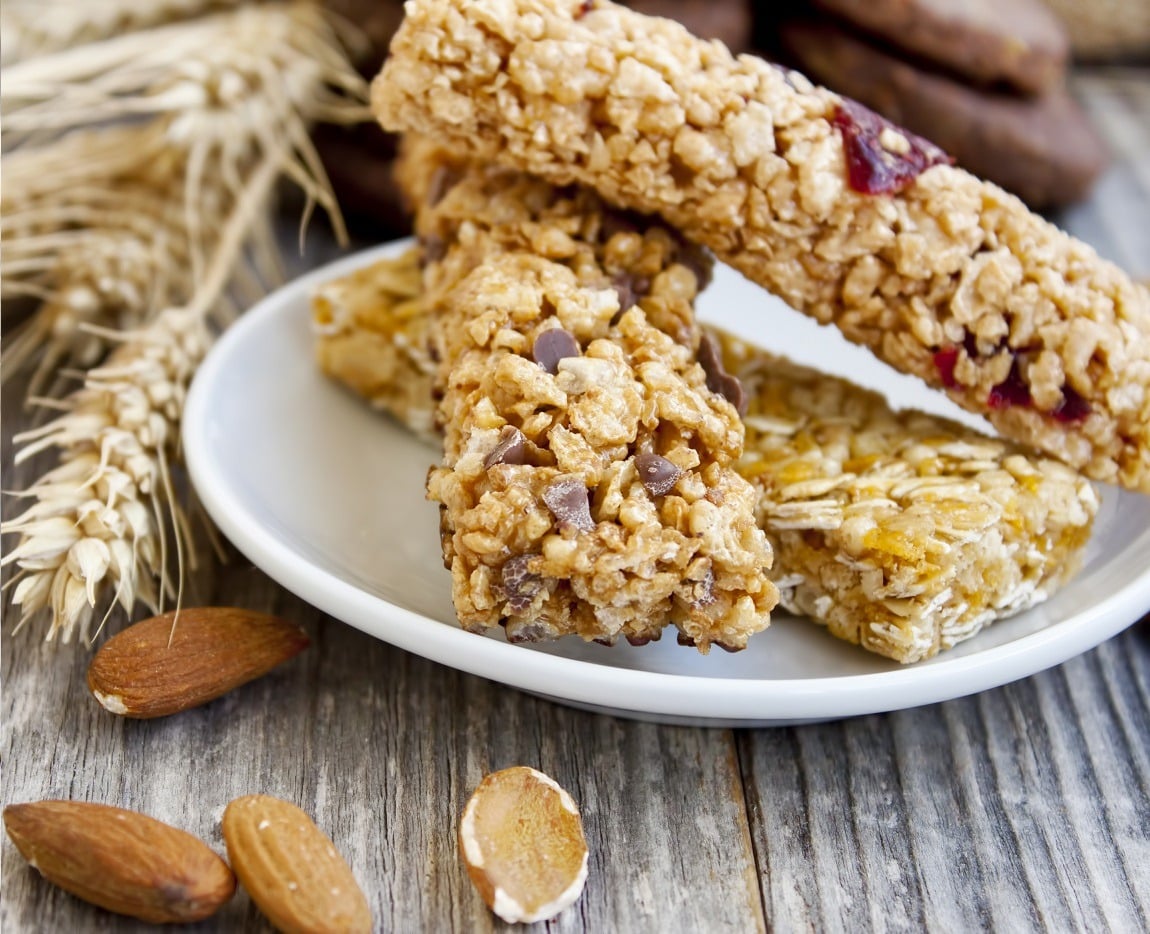
Fibre enrichment and sugar reduction offer concrete solutions to add more nutritional value to snacks.
Although many consumers like to indulge, snacking consumption patterns suggest that they also prioritise natural and healthy options to preserve their health and create better eating habits.
Acacia gum aligns perfectly with these trends, enabling manufacturers to focus on improving the nutritional profile of their formulations, including adding fibre and reducing sugar content. It can also be used in organic, clean and gluten free products. All this without compromising on taste or texture. They can also help mask the taste of sweeteners.
Remarkable results in gluten-free formulations
People go gluten free for many reasons, from diversifying their diet to limiting health impacts.
As a natural texture ingredient, acacia gum can play a variety of roles including adding texture to dairy and egg-free recipes, increasing softness in pastries and improving shelf life – not to mention providing plenty of probiotic fibre.
Functional properties for increased quality
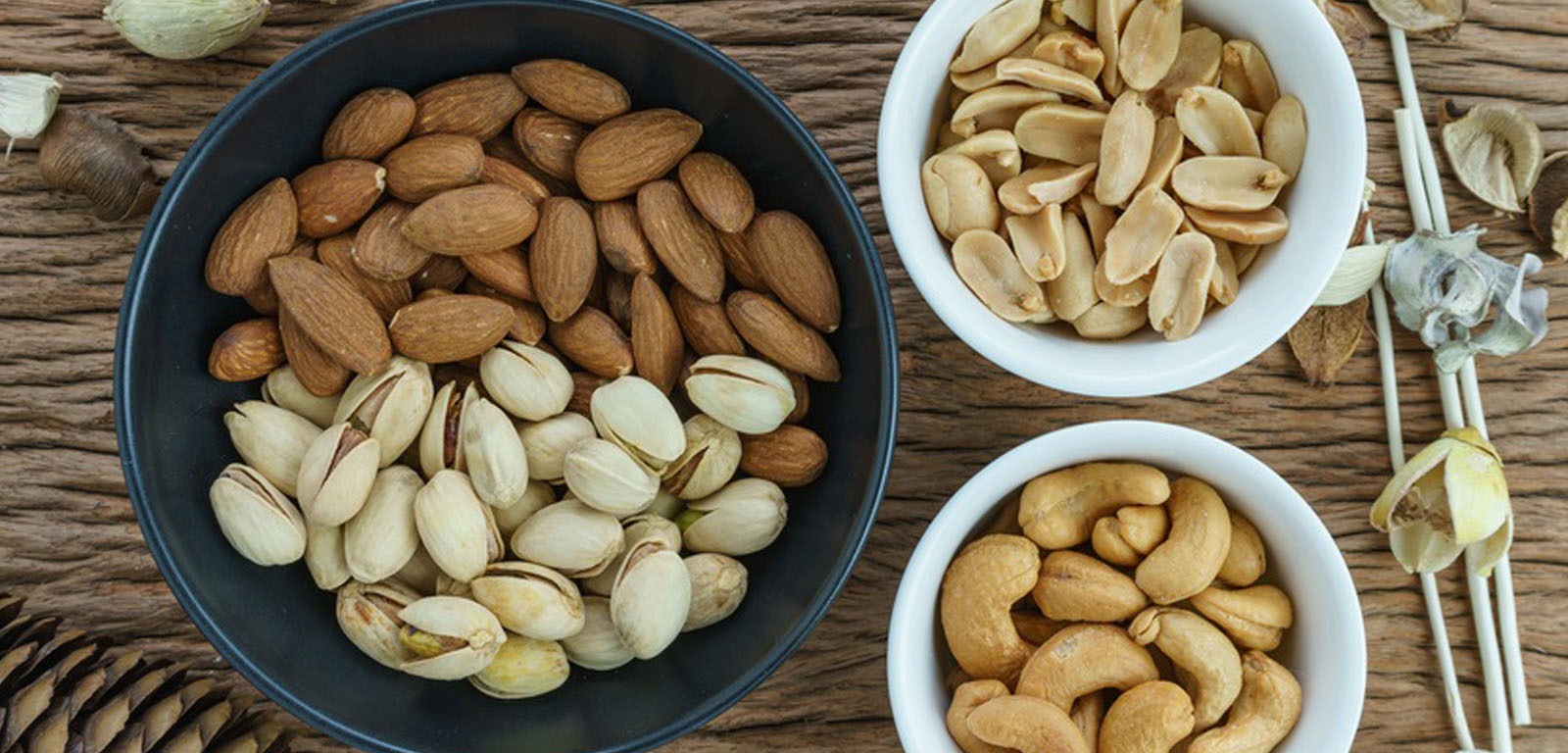
Acacia gum is a great binding agent. This natural “glue” offers a safe, natural way to hold salt, sugar, or spices in snacks, nuts and crisps.
It also adds texture, stabilises and can be used in coating applications.
Technological benefits
Acacia gum provides technological benefits during dough making and other processes. Achieving a smooth and homogeneous dough with a developed gluten structure – except for gluten-free products – is essential for a successful recipe and sensory experience.
Acacia gum helps improve other operational steps such as mixing, dividing, moulding and baking, as well as the quality and conservation of the final product.
Get our technical paper on acacia
gum in biscuits directly in your inbox !
Just complete the form below.
Just complete the form below.
If you click on”Add me to your newsletter”, Alland & Robert may use your contact data to keep you informed of its products and services by email or by phone. You can withdraw your marketing consent at any time by clicking the unsubscribe link in such email or by sending an email to info@allandetrobert.fr.
More information on our processes can be found in our Privacy Notice. By submitting this form, you acknowledge that you have read and understand our Privacy Notice.

Bakery & Baked products
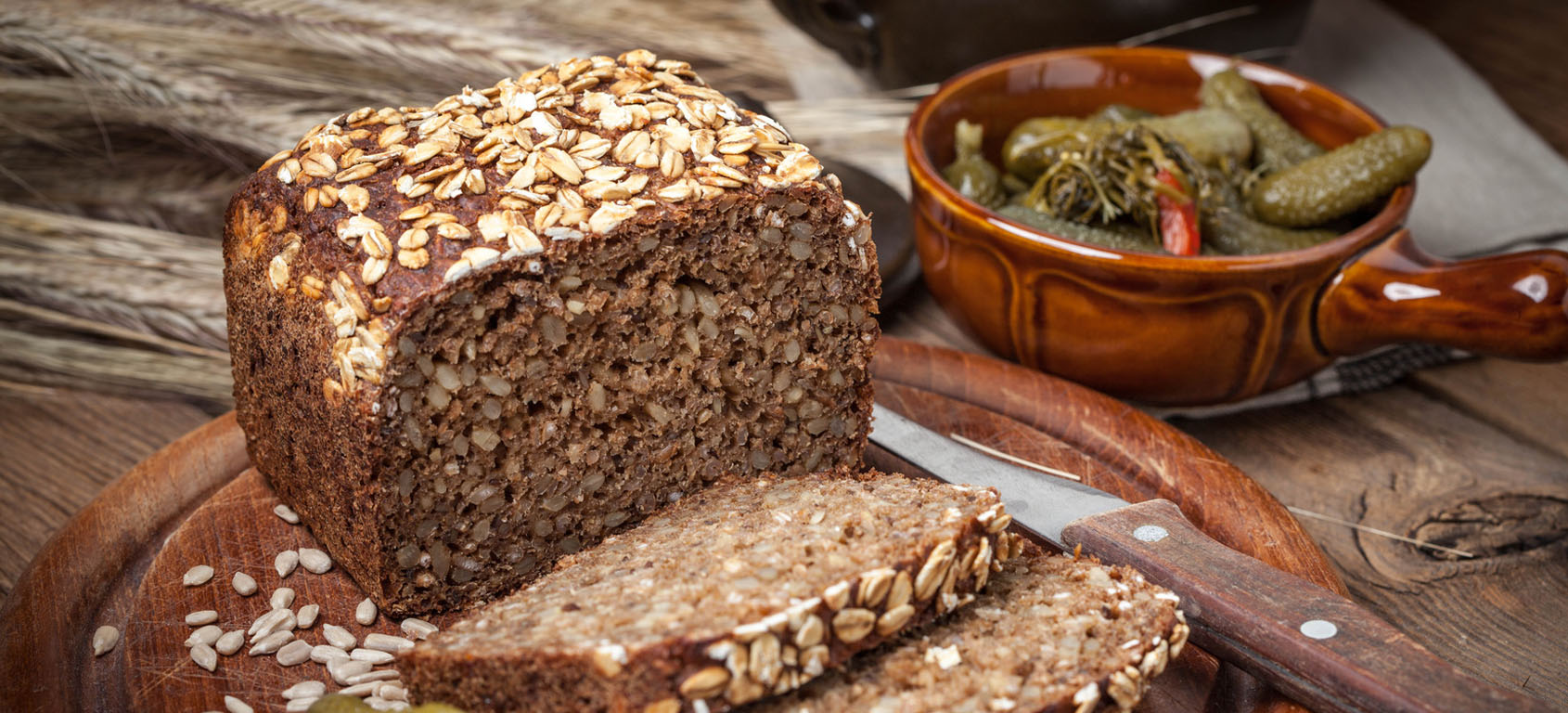
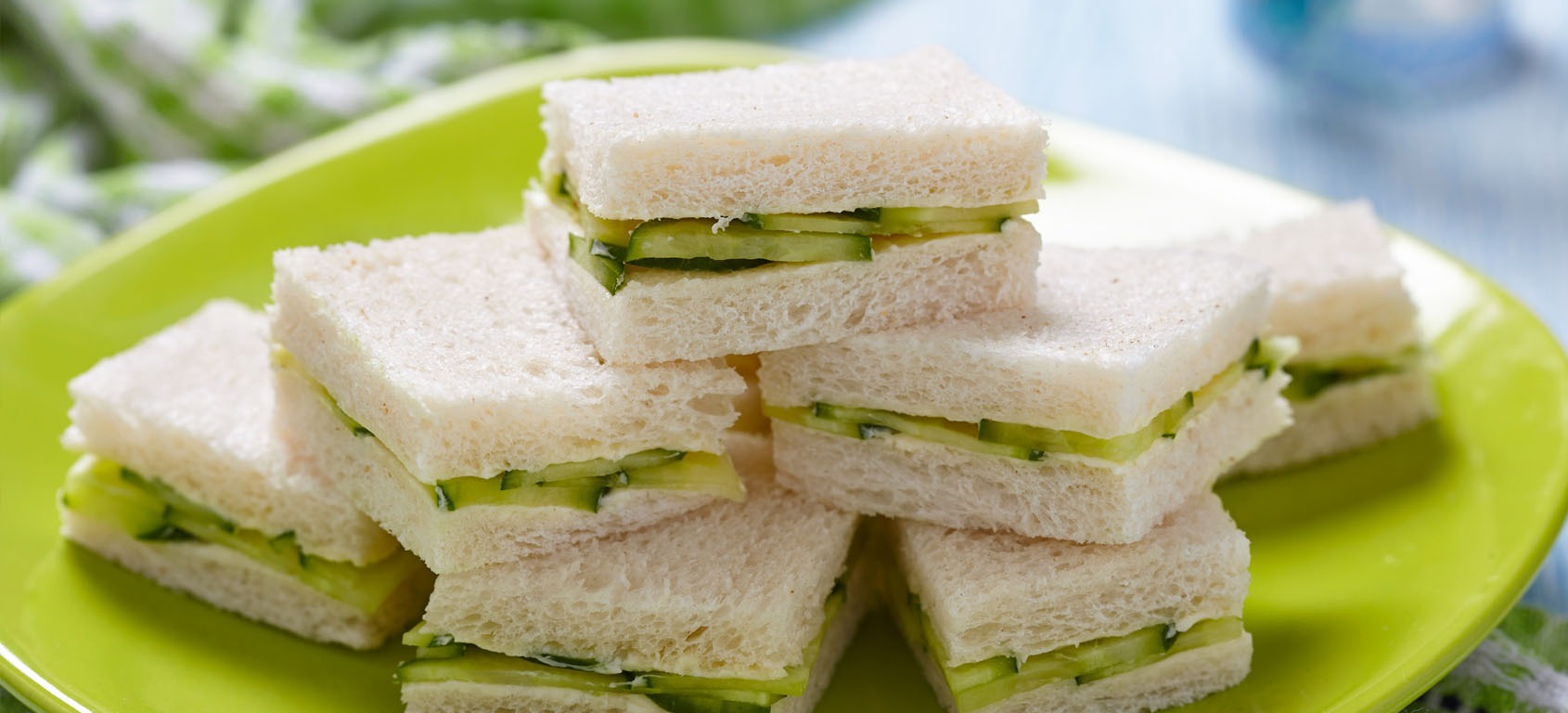
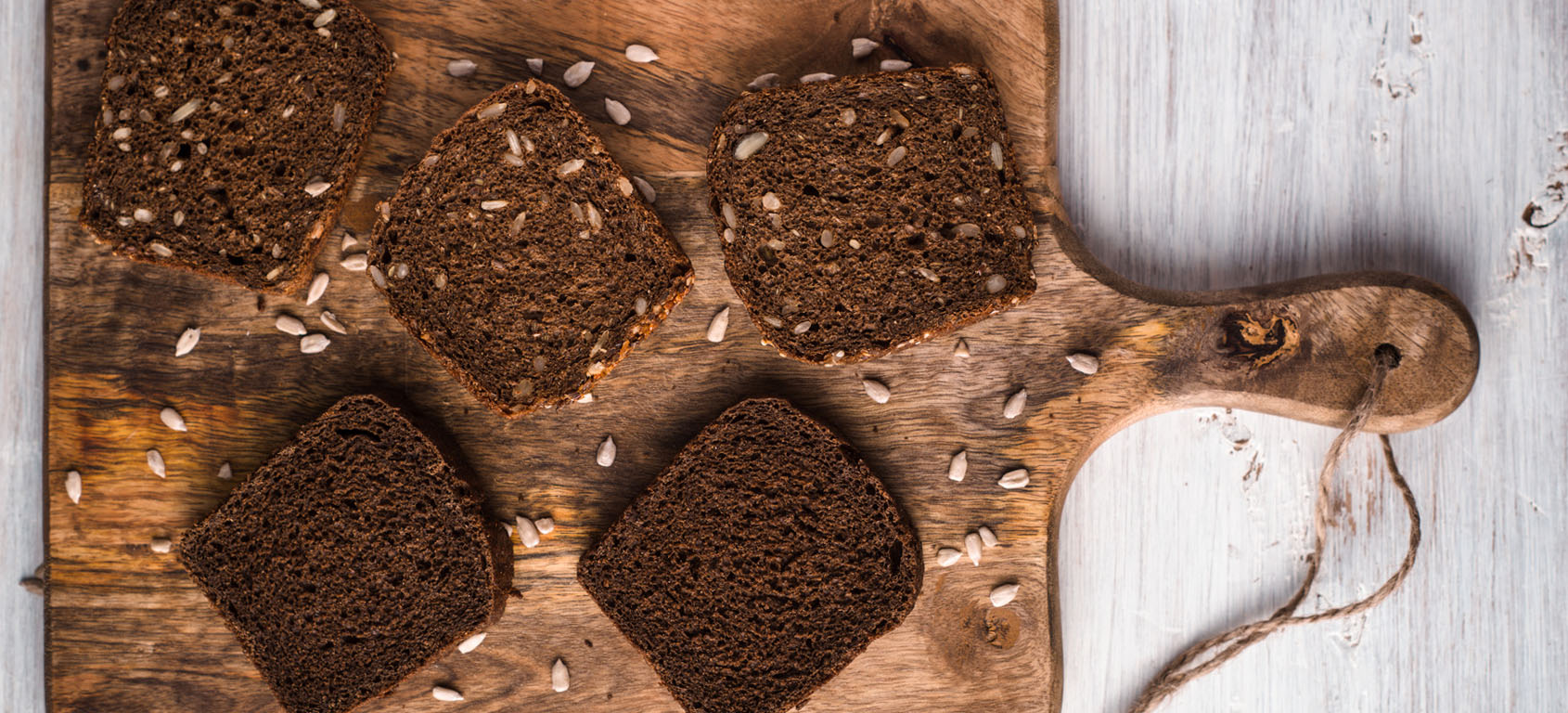
Acacia gum is a great texturing agent that retains water and adds natural fibre in baked products.
Our research shows that acacia gum improves texture and sensory experience in baked products and breads. In some cases, bread is up to 25% softer 4 days after manufacturing. Adding acacia gum increases water retention in bakery products for a heightened sensation of freshness and better moisture and conservation.
We conducted an independent study on the effects of acacia gum in white sandwich breads and gluten-free breads to confirm these properties. This study can be downloaded at the bottom of this page.



Fibre enrichment
Acacia gum (also known as acacia fibre) is a safe, natural alternative that adds prebiotic fibre to all kinds of bakery products – improving gut health and balancing the nutritional profile.
It has a prebiotic benefits and excellent digestive tolerance with no major disadvantages or intestinal discomfort. Acacia gum contains very few calories and doesn’t impact the taste or colour of the bakery product. It resists acidity and heat and has a low viscosity.
Acacia characteristics
- Resists acidity and heat, meaning it can be used to formulate products exposed to extreme conditions during production
- Has no side effects, a neutral taste and very low viscosity
- Doesn’t contain many calories
- Positive effect on rheological properties like extensibility
Excellent digestive tolerance
Acacia fibre provides scientifically proven prebiotic benefits:
- No intestinal discomfort, flatulence or abdominal cramps
- Very slow fermentation: only very slight evolution of acacia fibre content during the whole shelf-life of dairy products containing live lactic bacteria – compared to yoghurts formulated with inulin, FOS or GOS whose fibre content can rapidly decrease during storage
- Minimal digestion in the small intestine combined with a slow fermentation in the colon
We have developed a specific range of acacia fibre that guarantees at least 90% fibre content (international AOAC 985-29 method).
Gluten-free formulation
People go gluten-free for many reasons, from diversifying their diet to limiting health impacts. Our research shows that acacia gum is a beneficial ingredient in gluten-free formulations. This natural plant-based gum can play a variety of roles including adding texture to dairy and egg-free recipes, increasing softness in pastries, and improving the shelf life – as well as adding plenty of prebiotic fibre too.
Improves texture: acacia gum is known for its ability to improve the texture of gluten-free baked goods. It helps to create a superior texture and mouthfeel – which is often a challenge without gluten that provides elasticity and structure in traditional baked goods.
Retains moisture: acacia gum helps stabilise moisture in gluten-free dough, which is particularly useful in products like pizza crust, pie crust, tortillas, wraps, and crispbread. This contributes to a better overall texture and extends the shelf life.
Increases shelf-life: acacia gum can significantly extend the shelf life of gluten-free breads. Studies have shown that it can improve the softness of bread and boost shelf life by up to 50%.
Enhances emulsification: acacia gum has excellent emulsifying properties, which give products a more uniform texture and contribute to better overall quality.
Get our technical paper on the impact of gum acacia in breads directly in your inbox!
Just complete the form.

Confectionery
Acacia gum is a plant-based texturing and coating agent used a wide array of sugar (and sugar-free) confectionery.
Acacia gum’s functional properties improve the texture of sweets by creating volume and acting as an anti-crystallisation agent in combination with sucrose and glucose. It is widely used to coat confectionery products requiring gumming or chocolate panning.
As a thickening agent, it gives sweets a firm yet melting texture, contributing to stabilisation and hardness.
Acacia gum can also be used as a film-forming agent and enhances the properties of coated sweet products. With noncariogenic properties (no negative impact on teeth), it’s popular in sugar-free formulations too.
Overall, acacia is used in a wide variety of confectionery products, from pastilles and chewing gums to toffees, dragees, coated almonds and chocolate or nut centers. Acacia gum is the main ingredient in classic gum drops.

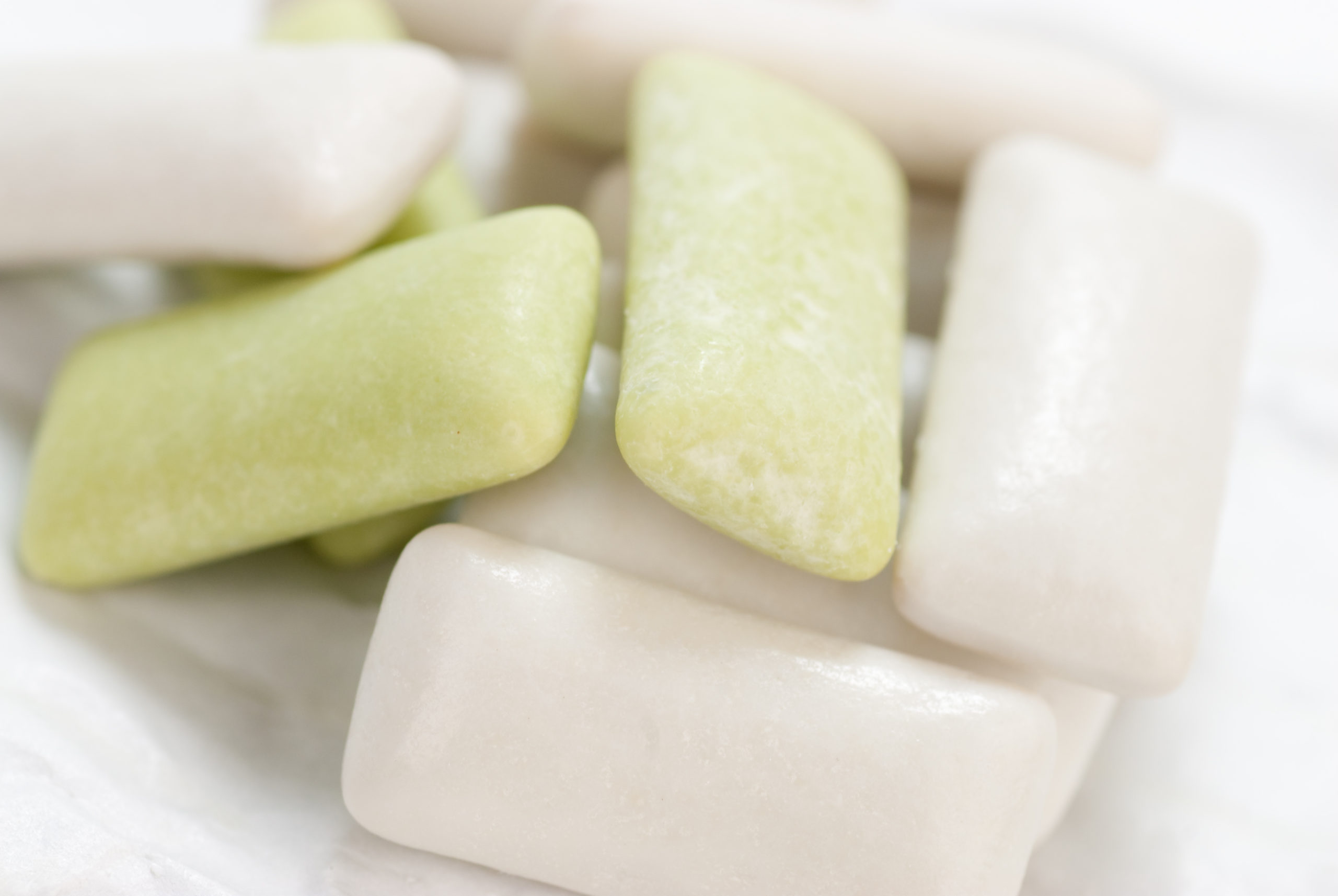

Sugar-free formulations
When combined with polyols, acacia gum provides superior coating properties. The choice of polyol impacts different organoleptic criteria including the taste of the final product (neutral, fruity or minty), the sweetness and texture.
Acacia gum is a key ingredient in sugar-free chewing gums.

Beverages
Acacia gum is a natural emulsifier and stabiliser – and source of fibre – that also improves mouthfeel.
Acacia gum is packed with functional properties. It stabilises oil-in-water emulsions commonly used to manufacture fizzy drinks – along with carbonated water, sucrose or sweeteners.
Acacia gum stabilises dispersed droplets and reduces the surface tension between the dispersed and continuous phases.





Few calories and a neutral taste make acacia a popular choice in beverages.
In juices, fruit and sports drinks, and powdered beverages, acacia gum brings enhanced mouthfeel, texture and fibre enrichment.
In alcoholic beverages like wine, acacia gum provides colloidal protection and organoleptic sensory improvement – even in very small quantities.
Source of fiber
Acacia gum is a safe, natural source of prebiotic fibre – improving gut health and balancing the nutritional profile of beverages.
It has a prebiotic benefits and excellent digestive tolerance with no major disadvantages or intestinal discomfort. Acacia gum contains very few calories and doesn’t impact the taste or colour of the beverages. It resists acidity and heat and has a low viscosity.
Acacia characteristics
- Resists acidity and heat, meaning it can be used to formulate products exposed to extreme conditions during production
- Has no side effects, a neutral taste and very low viscosity
- Doesn’t contain many calories
- Positive effect on rheological properties
Excellent digestive tolerance
Acacia fibre provides scientifically proven prebiotic benefits:
- No intestinal discomfort, flatulence or abdominal cramps
- Very slow fermentation: only very slight evolution of acacia fibre content during the whole shelf-life of dairy products containing live lactic bacteria – compared to yoghurts formulated with inulin, FOS or GOS whose fibre content can rapidly decrease during storage
- Minimal digestion in the small intestine combined with a slow fermentation in the colon
We have developed a specific range of acacia fibre that guarantees at least 90% fibre content (international AOAC 985-29 method).

Flavors & Ingredients
We provide efficient and natural solutions for emulsions and encapsulation.
Acacia gum is a greatly efficient emulsifying, encapsulation and bulking agent. As an emulsifier and stabiliser, acacia gum can be used in liquid and powdered emulsions.
Its film-forming and tensio-active properties are ideal for emulsions of essential oils and powders (flavours) and useful in stabilising oil-in-water emulsions, before spray drying.
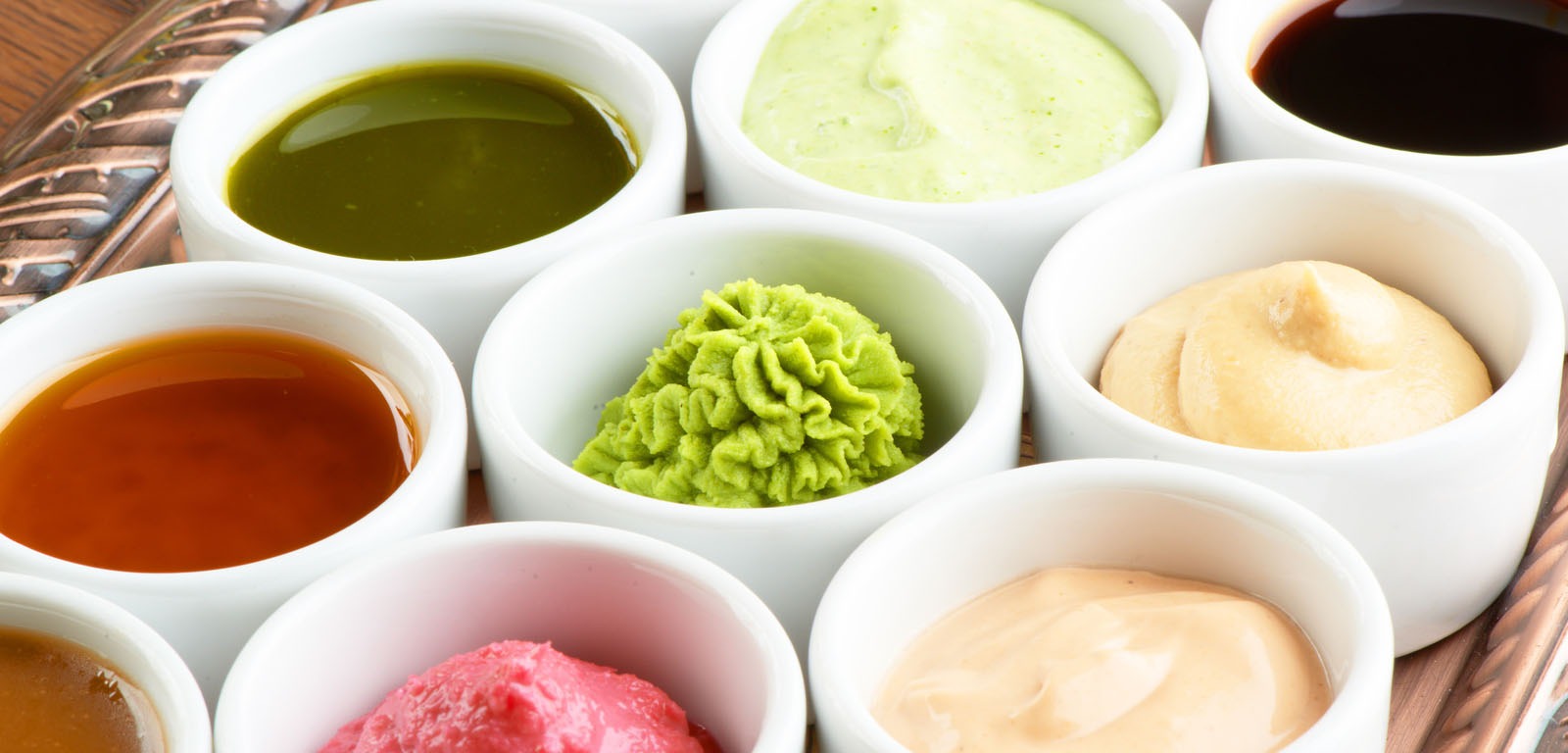

Acacia gum is a unique hydrocolloid for emulsions because it is water-soluble. It is used in the industry to control and modify the rheological properties of aqueous systems. It act as stabilizer, film former, thickener, suspending agents and emulsifier.
Very well-known in the flavor industry and for food, beverage and nutraceutical applications, acacia gum can encapsulate liposoluble substances, essential oils, vitamins, flavours and colourings. With efficient bulking properties, acacia gum helps fix powdered ingredients and dry blends, protecting them from external contamination.